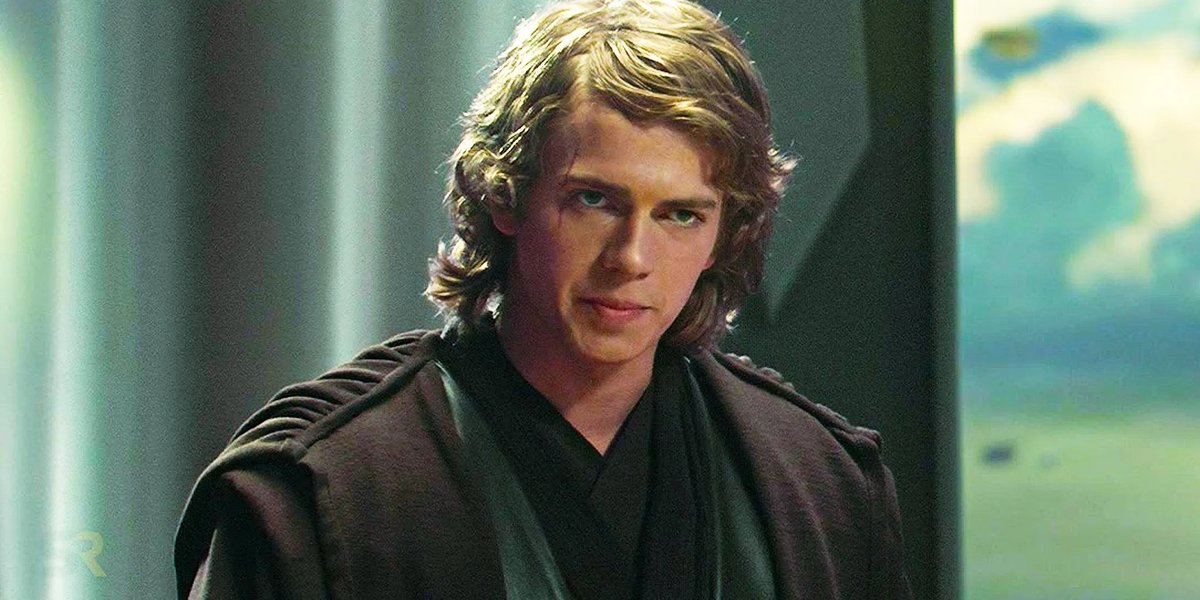
It’s a tale as old as time—or, at least, as old as the Galactic Republic. Anakin Skywalker, the prophesied Chosen One, a being of immense power and potential, became the galaxy’s greatest villain: Darth Vader. But the seeds of his betrayal weren't sown solely by the dark whispers of a Sith Lord. Instead, they were deeply rooted in Anakin's conflicts with the Jedi Council and Order ideals, a struggle that highlighted the Jedi’s own deep-seated flaws and ultimately paved the way for their destruction.
This isn’t just a story about good versus evil; it's a profound examination of how rigid dogma, emotional neglect, and institutional arrogance can corrupt even the purest intentions. The Jedi, in their fervent adherence to tradition, often failed to see the unique human—or rather, sentient—behind the Force-user, especially when that sentient was as complex and volatile as Anakin.
At a Glance: How Jedi Ideals Clashed with Anakin's Reality
- Wrong Age, Wrong Approach: Accepted late, Anakin's pre-existing attachments were ignored, not addressed.
- Mentorship Misfires: Obi-Wan, though well-meaning, struggled to guide Anakin's unique emotional and power struggles.
- Dogma Over Empathy: The Jedi's strict stance on attachment tragically led to inaction regarding Anakin's enslaved mother.
- Distrust & Disrespect: The Council's suspicion of Anakin, culminating in the spying mission and denial of Master rank, deeply alienated him.
- Blind Spots & Arrogance: The Jedi's own hubris prevented them from adapting to Anakin's needs or recognizing the growing external threats.
- Missed Opportunities: Simple therapy or emotional support could have drastically altered Anakin's path.
The Prophecy's Burden: An Unconventional Start
Anakin Skywalker wasn’t your typical Jedi recruit. Most younglings were brought into the Order as infants, before they could form deep emotional bonds or develop a strong sense of self. Anakin, however, was nearly nine years old when discovered on Tatooine by Qui-Gon Jinn. This age difference alone presented an immediate, fundamental conflict with established Jedi protocols.
The Jedi Council, particularly Master Mace Windu, rightfully perceived Anakin's evident fear and attachment to his mother, Shmi, as a significant vulnerability. Yoda himself expressed strong reservations, noting, "Fear is the path to the Dark Side... Fear leads to anger... anger leads to hate... hate leads to suffering." Despite these prescient warnings, Anakin was begrudgingly accepted into the Order, largely as a dying wish from Qui-Gon. This initial rejection, followed by a reluctant acceptance, meant Anakin was treated less like a cherished discovery and more like a burden—a ticking time bomb the Jedi felt obligated to disarm. From day one, he was an exception to the rule, yet he was expected to conform rigidly to every ideal.
Mentorship on Shaky Ground: Obi-Wan's Impossible Task
Obi-Wan Kenobi, elevated to Jedi Master and assigned as Anakin's master, faced an unenviable task. He was still quite young himself, reeling from the loss of his own master, Qui-Gon. Obi-Wan loved Anakin like a brother, but this emotional closeness, while a strength, also became a weakness in their teacher-padawan dynamic.
Obi-Wan often found himself more akin to an exasperated older sibling than a detached, guiding master. He frequently argued with Anakin, often reacting to his padawan's arrogance, impulsiveness, and emotional outbursts with frustration rather than the calm, patient guidance Anakin desperately needed. Instead of helping Anakin explore and understand his intense emotions, Obi-Wan often told him to suppress them, to "let go"—advice that, while standard Jedi doctrine, was entirely unsuited for a boy who had already lived nine years with profound attachments and fears. This suppression didn't resolve Anakin's feelings; it merely forced them underground, allowing them to fester and grow more dangerous.
The Iron Cage of Attachment: A Dogma Unfit for Anakin
Perhaps the most significant of Anakin's conflicts with the Jedi Council and Order ideals stemmed from the Jedi's absolute prohibition of attachment. For Jedi raised from infancy, this detachment was a cornerstone of their philosophy, meant to prevent personal feelings from clouding judgment or leading to the Dark Side. But for Anakin, who had experienced the deep, unconditional love of his mother, this rule was an emotional straitjacket.
The Jedi Council knew of Anakin's bond with Shmi. They understood his fears for her well-being. Yet, over a decade passed, and they never intervened to free her from slavery. They never allowed Anakin to visit her. This profound neglect directly contradicted any claim of compassion or understanding. Anakin’s premonitions of his mother's suffering, dismissed by the Jedi, became a horrifying reality. Her death in his arms, after years of torment, didn't just cause him distress; it triggered his first definitive step towards the Dark Side, culminating in the vengeful slaughter of the Tusken Raiders. This event starkly revealed the catastrophic consequences of the Jedi’s rigid adherence to dogma over pragmatic compassion for a unique individual.
The Padmé Predicament: A Love Ignored, a Danger Amplified
The Jedi's blindness to Anakin's emotional state wasn't limited to his mother. In a breathtaking display of poor judgment, the Council assigned Anakin to protect Senator Padmé Amidala, despite his obvious, growing romantic feelings for her. This was not merely an oversight; it was a catastrophic failure of foresight.
Their forbidden love blossomed under the very noses of the Jedi, exacerbating Anakin's inherent tendency towards intense, possessive attachment. While some might argue Jedi were forbidden from monitoring their members' private lives too closely, the sheer power of Anakin's emotions and the known history of his attachment issues should have warranted extreme caution. Instead, they put him in the very situation most likely to foster the forbidden bond that would eventually shatter him.
Platitudes vs. Premonitions: A Failure of Empathy
As the Clone Wars raged, Anakin's premonitions of loved ones dying grew more frequent and terrifying. When he confessed his nightmares about Padmé's death to Master Yoda, seeking guidance and comfort, the response he received was painfully unhelpful. Yoda offered sterile, detached platitudes about letting go of fear and attachment, about accepting death as a natural part of the Force.
This advice, while spiritually profound in a detached sense, utterly failed to address the raw, desperate fear gripping Anakin. He wasn't looking for a philosophical lecture; he was looking for tailored comfort, for understanding, for a solution to save the woman he loved. The Jedi's inability to provide this personalized emotional support pushed Anakin further into isolation, making him ripe for Chancellor Palpatine's manipulation, who offered the very promise of power over death that the Jedi denied.
The Growing Chasm: Mistrust, Contempt, and the Spy Mission
In the war's twilight, Anakin's conflicts with the Jedi Council and Order ideals escalated into outright hostility. The Council grew increasingly wary of Anakin's close friendship with Chancellor Palpatine, a relationship they viewed with suspicion, bordering on contempt. They accepted him onto the Jedi Council, a significant honor, but pointedly denied him the rank of Master. For Anakin, who felt he had proven himself countless times on the battlefield, this was a deliberate insult, a public declaration that he was not fully trusted or respected.
The ultimate betrayal came when the Council instructed him to spy on Palpatine. This forced Anakin into an impossible position: betraying the man he considered a friend and mentor, or betraying the Jedi Order he was sworn to. This act shattered any remaining trust Anakin had in the Council's integrity. Mace Windu openly expressed his distrust of Anakin, saying, "We do not grant you the rank of Master... It is unfair!" to which Windu retorted, "Take a seat, young Skywalker." The words stung, reinforcing Anakin’s perception of the Jedi as hypocritical and manipulative.
Later, when Anakin revealed Palpatine's true identity as Darth Sidious, Mace Windu’s refusal to grant Palpatine a fair trial—declaring "He's too dangerous to be left alive!"—further solidified Anakin's belief that the Jedi were no better than the Sith in their arbitrary wielding of power. He saw it as a desperate power grab, not an act of justice.
Unchecked Power: The Peril of Passive Discipline
Anakin was a maverick, constantly displaying emotional outbursts, ignoring orders, and acting with reckless abandon throughout his Jedi career. Yet, he rarely faced significant consequences beyond a scolding or a stern lecture. This lack of accountability fostered a toxic dynamic built on distrust and a failure to enforce discipline.
Imagine a child with immense power, constantly pushing boundaries, yet never truly experiencing repercussions. This created a sense of exceptionalism in Anakin, reinforcing his arrogance and making him believe he was above the rules. The Jedi's passive approach, perhaps born of fear of his power or a misguided hope he would eventually "grow out of it," was a catastrophic failure of leadership and mentorship. It demonstrated a fundamental misunderstanding of how to manage an individual of Anakin's unique psychological makeup and raw Force potential. To truly understand the scope of his powers and how they developed, you might want to Learn more about Clone Wars Skywalker during the critical period where many of his heroic feats—and emotional breakdowns—occurred.
The Jedi's Own Arrogance and Blindness
Ultimately, the Jedi Council's downfall wasn't just a result of Darth Sidious's cunning; it was also a consequence of their own profound arrogance and blindness. They had become complacent in their power, convinced of their moral superiority, and utterly incapable of perceiving the growing darkness within the galaxy—and within one of their own.
Their hubris prevented them from adapting their rigid dogma to the unique circumstances of Anakin Skywalker. They couldn't see past their traditions, even when those traditions were clearly failing a crucial member. Their inability to recognize Darth Sidious's manipulation, even when it was unfolding right under their noses in the highest echelons of the Republic, speaks to a deep institutional failing. They were so focused on adherence to their ideals that they became blind to the practical realities and immediate threats, ultimately leading to their own annihilation and the rise of the Empire.
A Different Path: What If the Jedi Had Listened?
Anakin Skywalker was not a typical Jedi recruit, and treating him as such was the Jedi's fatal error. He was too old, too powerful, and too deeply scarred by his past to be molded by standard Jedi doctrine. His feelings—his fear, his attachment, his anger—should have been acknowledged, explored, and addressed constructively, rather than simply suppressed.
The Jedi, for all their wisdom in the Force, showed no indication of seeking external, specialized help for Anakin's complex psychological needs. In a technologically advanced galaxy, the concept of a "therapist" or "mental health professional" seems to have been entirely absent from Jedi strategy. Imagine if Anakin had been allowed to discuss his anger and attachment issues with someone trained to help him process those emotions, rather than merely bury them.
- Tailored Education: Instead of a one-size-fits-all approach, Anakin could have received instruction that acknowledged his pre-existing bonds, helping him to redirect or transform those attachments into healthy, compassionate connections rather than forbidden, possessive ones.
- Proactive Intervention: Freeing Shmi, or at least ensuring her safety, would have removed a massive source of fear and vulnerability from Anakin's life.
- Emotional Literacy: The Jedi could have taught Anakin to understand his emotions, to channel his intense feelings into strengths, rather than seeing them as weaknesses to be hidden.
- Trust and Respect: Granting Anakin the Master rank he deserved, and treating him as a respected peer rather than a suspicious subordinate, would have fostered loyalty instead of resentment.
While Darth Sidious was undoubtedly the orchestrator of the Galactic Empire, the Jedi's arrogance, dogmatism, and flawed treatment of Anakin Skywalker created the fertile ground upon which Palpatine's seeds of darkness could truly flourish. They didn't just lose a Jedi; they lost the Chosen One to their own rigid ideals.
Frequently Asked Questions About Anakin's Conflicts with the Jedi
Q: Was the Jedi Council purely evil in their treatment of Anakin?
A: No, not at all. The Jedi Council genuinely believed they were acting in the best interests of the Order and the galaxy. Their actions stemmed from deeply ingrained traditions and dogmas they believed were essential for maintaining peace and preventing falls to the Dark Side. Their failures were largely due to institutional blindness, inflexibility, and a lack of understanding of Anakin's unique psychological needs, rather than malicious intent.
Q: Could Anakin have been saved if the Jedi had acted differently?
A: Many believe so. While Palpatine's manipulation was potent, Anakin's susceptibility was magnified by the Jedi's failures. A more empathetic, flexible, and supportive approach—one that addressed his attachments and fears directly instead of suppressing them—might have strengthened his resolve against the Dark Side and allowed him to grow into the balanced Force-user he was meant to be.
Q: Why did the Jedi forbid attachment? Wasn't that cruel?
A: The Jedi's prohibition of attachment was based on a core tenet that personal bonds could lead to fear of loss, jealousy, and eventually the Dark Side. They believed detachment was necessary for objectivity and selfless service to the galaxy. While it appears cold and unfeeling to many, particularly for someone like Anakin, it was a philosophical cornerstone meant to prevent corruption. The issue wasn't the ideal itself, but its rigid application to someone who had already formed deep bonds.
Q: Was Obi-Wan a bad mentor for Anakin?
A: Obi-Wan was a good man and a brave Jedi, but he was arguably not the right mentor for Anakin. He loved Anakin but struggled to effectively guide his volatile emotions and immense power. His own youth and inexperience, coupled with the immense pressure of training the "Chosen One," meant he often defaulted to standard Jedi teachings even when they were clearly failing Anakin. He lacked the psychological insight or the authority to truly challenge the Council's flawed approach to his padawan.
Q: Did the Jedi realize their mistakes with Anakin before it was too late?
A: It's debatable. While individual Masters like Obi-Wan and Yoda expressed regret and understanding of their failures after Anakin's fall, the Council as a whole seemed largely blind to the depth of their institutional shortcomings until it was too late. Their arrogance and self-assurance prevented a critical self-assessment that could have averted the tragedy.
Beyond the Dogma: A Call for Empathy and Adaptability
The tragic saga of Anakin Skywalker's fall is a stark reminder that even the most well-intentioned institutions can be undone by rigid dogma and a failure to adapt. The Jedi Council, in their unwavering adherence to ancient ideals, failed to see Anakin not just as a powerful Force-user, but as a traumatized, emotionally complex young man with unique needs.
Their collective failures—from the initial grudging acceptance to the systemic emotional neglect and the ultimate distrust—created an environment where Anakin's deepest fears and attachments were exploited by the very darkness the Jedi swore to fight. His story isn't just a cautionary tale for individuals, but for any organization that prioritizes unbending tradition over empathy, understanding, and the individual well-being of its members. The galaxy paid a heavy price for the Jedi's inability to evolve.