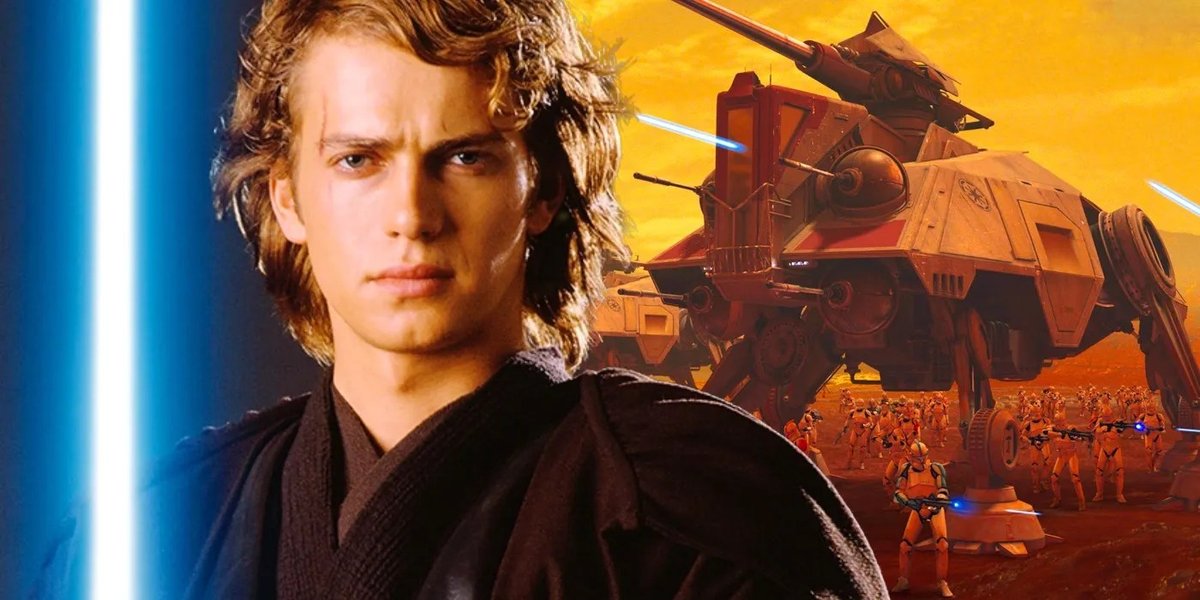
The original Star Wars prequel trilogy introduced us to Anakin Skywalker, the prophesied Chosen One destined to bring balance to the Force. Yet, for many fans, his initial cinematic portrayal often felt, well, shallow. His angst-ridden journey to the dark side, culminating in his tragic transformation into Darth Vader, lacked the emotional depth and gradual build-up some craved.
Then came Star Wars: The Clone Wars. Across seven seasons, this animated series didn't just fill in the gaps; it fundamentally reshaped our understanding of Anakin Skywalker's character evolution in The Clone Wars, turning a perceived two-dimensional figure into one of Star Wars' most complex and heartbreaking heroes. It was here, in the crucible of galactic conflict, that Anakin truly became the tragic figure whose fall felt both earned and inevitable.
At a Glance: Unpacking Anakin's Clone Wars Journey
- From Shallow to Deep: The series dramatically enhanced Anakin's character, providing much-needed context and emotional resonance missing from his prequel film appearances.
- Ahsoka Tano's Indelible Mark: The introduction of Anakin's Padawan, Ahsoka, became the most crucial factor in his development, showcasing his compassionate, protective side while also exposing his fear of loss.
- The Tragic Hero Defined: Anakin is meticulously crafted as a tragic hero, whose immense potential is ultimately undone by his unchecked emotional vulnerabilities – primarily fear, anger, and a desperate need for control.
- Foreshadowing as a Narrative Tool: The series masterfully used its soundtrack and specific story arcs (like the Mortis episodes) to subtly and overtly hint at Anakin's dark future, making his eventual transformation resonate deeply.
- The Path to Vader: The Clone Wars meticulously laid the groundwork for Anakin's turn in Revenge of the Sith, illustrating how missed opportunities and personal betrayals left him isolated and vulnerable to Palpatine's manipulation.
Reshaping a Legend: Why The Clone Wars Mattered
Before The Clone Wars aired, Anakin Skywalker was a character many fans struggled to connect with. His journey from Tatooine slave to powerful Jedi Knight felt rushed in The Phantom Menace (1999) and his romantic woes in Attack of the Clones (2002) didn't always land with the gravitas needed for such a pivotal figure. He was often perceived as whiny, prone to sudden bursts of anger, and lacking the nuanced heroism required to make his eventual fall truly impactful.
The Clone Wars, which first aired in 2008, tackled this head-on. By taking place between Attack of the Clones and Revenge of the Sith, it was given the space to breathe, to show Anakin in action, not just reacting to plot points. We saw him as a brilliant tactician, a charismatic leader, and a fiercely loyal friend and mentor. This continuous exposure, over multiple seasons, allowed viewers to see the hero Anakin was meant to be, making his internal struggles and eventual descent all the more gut-wrenching. If you're looking for a comprehensive overview, start with Your Guide to Clone Wars Skywalker.
The series achieved this by focusing on several key elements: character interactions that forged genuine bonds, a soundtrack that amplified emotional stakes, and the deliberate shaping of Anakin as a classic tragic hero.
The Padawan's Shadow: Ahsoka Tano's Indelible Mark
Perhaps the single most impactful development for Anakin's character in The Clone Wars was the introduction of his Padawan, Ahsoka Tano. Initially, the idea of Anakin having an apprentice was met with skepticism. How could the hot-headed, rules-bending Anakin be a responsible master? Yet, their dynamic quickly became the heart of the series and the linchpin of Anakin's evolution.
Ahsoka brought out the best in Anakin. He was a dedicated, protective, and even playful master, often seeing much of his younger self in her impulsive nature. Their bond grew from reluctant mentorship to an unbreakable familial connection. Through Ahsoka, we witnessed Anakin's unwavering loyalty, his capacity for deep love, and his protective instincts – traits that, ironically, would also become his greatest weaknesses. He taught her to trust her instincts, to bend the rules when necessary, and to fight for what she believed in, mirroring his own approach to the Force.
The Betrayal That Broke Him
The turning point in their relationship, and arguably for Anakin's entire character arc, came in Season 5. Ahsoka was falsely accused of bombing the Jedi Temple and murdering suspects. Anakin, fueled by his deep affection and belief in her innocence, defied the Jedi Council to clear her name, proving her an unwitting pawn in a larger conspiracy. He saved her, but the damage was done.
Despite his efforts, Ahsoka, disillusioned by the Jedi Order's readiness to abandon her, chose to leave. This wasn't just a blow; it was a profound betrayal that left Anakin shattered. Imagine seeing someone you love, someone you've risked everything for, walk away despite your best efforts. His desperate plea, "I need you, Ahsoka. I was wrong about you leaving. Without you, I...I can't...," revealed a vulnerability that cinema Anakin had only hinted at. This moment fundamentally altered him, deepening his distrust of the Jedi Council and leaving a gaping wound that would never truly heal. It's impossible to overstate Ahsoka Tano's Profound Impact on Anakin on his trajectory.
Her absence cast a long shadow over Season 6, where Anakin appeared more isolated, his anger simmering closer to the surface. Their final interactions in Season 7, though brief, provided crucial context for his mindset heading into Revenge of the Sith. Many argue that Ahsoka's presence in his life might have been the crucial anchor that could have prevented his eventual fall to the dark side. Her departure removed a compassionate, independent voice that often balanced his more extreme impulses, leaving him more susceptible to Palpatine's insidious influence.
The Call of the Dark: Anakin as a Tragic Hero
The Clone Wars masterfully frames Anakin as a classic tragic hero. He possesses immense heroic qualities: unparalleled skill in the Force, extraordinary piloting abilities, boundless courage, and a deep-seated desire to protect the innocent. He is, by all accounts, one of the greatest Jedi of his era. Yet, like all tragic heroes, he is cursed by fatal flaws that ultimately lead to his downfall.
Throughout the series, these emotional vulnerabilities become increasingly frequent and pronounced.
- Fear: His deepest fear is loss – the loss of those he loves, a fear rooted in his traumatic past as a slave and the premonition of his mother's death. This fear is a constant undercurrent, manifesting as an intense protectiveness, particularly towards Ahsoka and Padmé.
- Anger: While often righteous in its indignation against injustice, Anakin's anger is volatile and difficult for him to control. We see him lash out, disregard orders, and resort to brutal tactics when pushed.
- Attachment: The Jedi Code forbids attachment, but Anakin's entire being thrives on it. His love for Padmé, his bond with Obi-Wan, and his paternal affection for Ahsoka are the sources of his strength and his joy, but also the roots of his fear of loss.
- Arrogance/Impatience: He often believes he knows best, chafing under the Jedi Council's conservatism and their reluctance to use the Force's full power. This impatience leads him to seek quicker, often darker, solutions.
The series meticulously charts how these traits, seemingly minor at first, are slowly exploited and amplified. His desperation to protect Padmé, born of his fear of losing her, becomes the ultimate catalyst for his decision to join Darth Sidious, ironically leading to her death. This exploration of Anakin Skywalker's fatal flaws makes his ultimate fall not just a plot point, but a deeply personal tragedy.
Echoes of Fate: The Soundtrack as a Character
One of the most potent, yet often understated, elements of The Clone Wars' storytelling is its use of music. The series masterfully blends John Williams' iconic original scores with new compositions, creating a rich tapestry of sound that evokes emotion, builds tension, and, crucially, foreshadows events. The music isn't just background noise; it's a character in itself, subtly guiding the audience's understanding of Anakin's internal turmoil. If you want to dive deeper into this, check out the emotive power of The Clone Wars soundtrack.
A prime example comes during the cryptic Mortis arc (Season 3), an incredibly impactful sequence where Anakin, Ahsoka, and Obi-Wan encounter powerful Force wielders who embody the light, dark, and balance of the Force. When "The Son" (the embodiment of the dark side) reveals Anakin's future atrocities in a terrifying vision, the accompanying score is chilling. This sequence is particularly significant, and the cryptic Mortis arc remains a fan-favorite for its deep dive into the nature of the Force. The track, "Anakin Sees His Future," doesn't just play; it culminates in an eerie, distorted rendition of "The Imperial March," the unmistakable theme of Darth Vader. This isn't subtle; it's a direct, undeniable sonic prophecy, hammering home the inevitable truth of Anakin's transformation. The music tells us what his closest friends and even Anakin himself can't yet fully grasp.
These musical cues, combined with visual foreshadowing (like Anakin's occasional yellow eyes or aggressive Force displays), weave a narrative web that makes his fall feel not like a sudden snap, but an agonizing, prolonged descent.
Missed Opportunities and the Inevitable Fall
The Clone Wars is replete with moments where Anakin almost, almost, finds a different path, where a different choice or a timely intervention could have saved him. These missed opportunities underscore the tragedy of his character.
- Obi-Wan Kenobi's Blind Spot: While Obi-Wan loves Anakin like a brother, his adherence to the Jedi Code sometimes prevented him from fully understanding or addressing Anakin's emotional struggles. He often dismissed Anakin's concerns or chided him for his attachments, rather than guiding him through them in a way that resonated with Anakin's unique personality. Their bond was strong, but it wasn't enough to counteract the insidious influence of Palpatine.
- The Jedi Council's Distrust: The Council, particularly Mace Windu, often expressed distrust and skepticism towards Anakin, viewing his power with apprehension. Their perceived lack of faith, and their decision to expel Ahsoka, pushed Anakin further into isolation and resentment, making him feel that only Palpatine truly understood and believed in him.
- Ahsoka's Departure: As discussed, Ahsoka's exit left Anakin without his moral compass, his emotional tether to the light. Had she remained, her grounded perspective and fierce loyalty might have given him the strength to resist Sidious's temptations. She was the one who could speak truth to his power, the one who saw him for who he truly was, flaws and all, and still loved him.
Each of these elements chipped away at Anakin's resolve, leaving him increasingly vulnerable. By the time Revenge of the Sith begins, The Clone Wars has shown us an Anakin who is teetering on the edge, a volcano of fear, anger, and betrayal waiting to erupt. The series doesn't just tell us he's going to fall; it painstakingly shows us why and how. It makes Darth Vader's origin story not just cinematic, but heartbreakingly human.
The Lasting Legacy of His Evolution
The transformation of Anakin Skywalker's character through The Clone Wars is nothing short of a masterclass in narrative redemption. The series didn't just retcon the prequels; it enriched them, providing the missing emotional architecture that made Anakin's fall from grace truly resonate. His journey from hero to villain became a profound exploration of attachment, fear, and the corrupting influence of unchecked power.
By the final season, when Anakin faces off with Ahsoka one last time, the weight of his impending doom is palpable. We see the good man, the caring master, but also the darkness brewing beneath the surface, a darkness exacerbated by the very events we’ve witnessed unfold. The series forces us to confront the uncomfortable truth: Anakin's descent was a gradual process, fueled by understandable fears and genuine love, twisted by manipulation and isolation.
This depth has not only solidified Anakin's place as one of the most compelling figures in fiction but has also elevated the entire prequel era of Star Wars. It made his heroism shine brighter, and his tragedy hit harder, ensuring that when you watch Revenge of the Sith, you don't just see Darth Vader being born; you witness a good man tragically losing himself, step by agonizing step.